HOME / USAGE GUIDE
DISCOVER
The Complete Guide to Black Seed for All Illnesses
You want to know everything about using black seed for different illnesses? Learn about its benefits and how to use black seed oil, powder and seeds? You’re in the right place!
This guide is based on medical studies from universities around the world to determine dosages and results. We will continue to update this guide, in sha’Allah.

RESTRICTIONS
Note: Would you like to share the information in this guide? We allow unrestricted non-commercial use, distribution and reproduction on any medium, provided the original work is properly cited by indicating: – the name of the work: “The Complete Guide to Black Seed for All Illnesses” – the name of the author: “Abu Abdillah from Meziana Oil Press”. A link to the guide is not mandatory but greatly appreciated!
BarakAllahufikoum!
Don’t have time to read the whole guide right now?
No problem. Let me send you a copy that you can read at your leisure, in sha’Allah.
READ NOW
The complete guide to black seed for all illnesses
Why this guide ?
The purpose of this guide is to learn how to use black seed oil as well as black seed powder to treat a very large number of illnesses.
The Messenger of Allah (peace and blessings be upon him) said in an authentic hadith narrated by Imam Al-Bukhari: “In black seed there is a cure for every disease except death.” (Al-Bukhari no. 5688).
The truth of these words has been highlighted by more than 1,204 medical studies [1] from universities around the world conducted on black seed for an impressive number of diseases. All these studies have demonstrated that through its many properties — antiviral, antibacterial, antifungal, anticancer, antihistamine, anti-inflammatory — black seed has the potential to cure any illness.
All of these studies are compiled on the website of the library of the National Medical Health Institute in the United States [1].
We firmly believe that black seed is a cure for every illness and we do not need scientific studies to confirm the authenticity of the words of the Messenger of Allah (peace and blessings be upon him), since we attest to the truth of his words as Allah said in the Quran :
<<That is what the Most Merciful had promised, and the messengers told the truth.” (Surah Ya-Sin, verse 52).
However, the hadith is general and does not explain how to use black seed for each illness. The purpose of this guide is therefore to learn how to use black seed oil and black seed powder to treat different illnesses based on existing medical studies..
For each illness, where possible, we will indicate the dosage and provide a link to the original study, in sha’Allah ta’ala.
Note that black seed is a means, but ultimately healing is in the hands of Allah.
Multiply your supplications and requests for healing.
On this subject, it has been narrated in Sahih Muslim from ‘Aisha (may Allah be pleased with her) who said: “When one of us was ill, the Prophet (peace and blessings be upon him) would stroke them with his right hand and then say: ‘Remove the harm, Lord of mankind, heal, You are the Healer, there is no healing except Your healing, a healing that leaves no illness. »
روى مسلمٌ عن عائشة قالت: كان رسولُ الله ﷺ إذا اشتكى منا إنسانٌ مسحه بيمينه، ثم قال: أذهب البأس رب الناس، واشفِ أنت الشافي، لا شفاء إلا شفاؤك، شفاءً لا يُغادر سقمًا
What are the properties of black seed ?
Before looking at the different illnesses, we will first talk about thymoquinone, which is one of the most important active compounds in black seed.
From the first study in Germany in 1960 to the present day, no fewer than 983 studies have been conducted on thymoquinone by universities around the world.
Here is a non-exhaustive list of the properties of thymoquinone that have been demonstrated :
– Antiviral
– Anti-inflammatory
– Antibacterial
– Antifungal
– Anticancer (via the mechanism known as apoptosis)
– Antihistamine
– Wound-healing
– Antiparasitic, etc.
With an active compound with such properties, it becomes easier to understand how such a small seed can have so many virtues and effects on such a large number of illnesses.
For information only: all 983 studies are available on the website of the library of the National Medical Health Institute in the United States in English [2].
What tools do you need ?
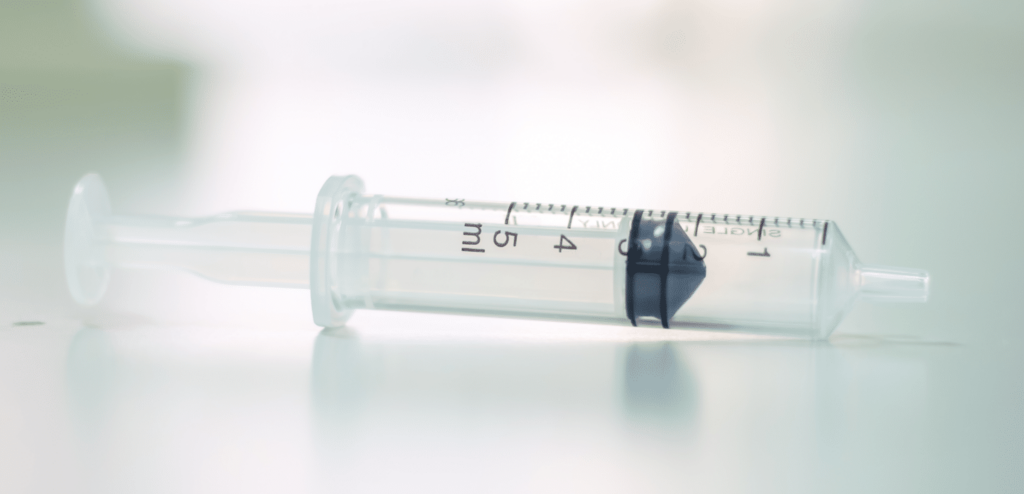
Black seed oil is very potent and sometimes a very small quantity is sufficient.
You can buy a syringe from a pharmacy and remove the needle to get the correct dosage, as shown in the photo opposite.
How to choose a good black seed oil
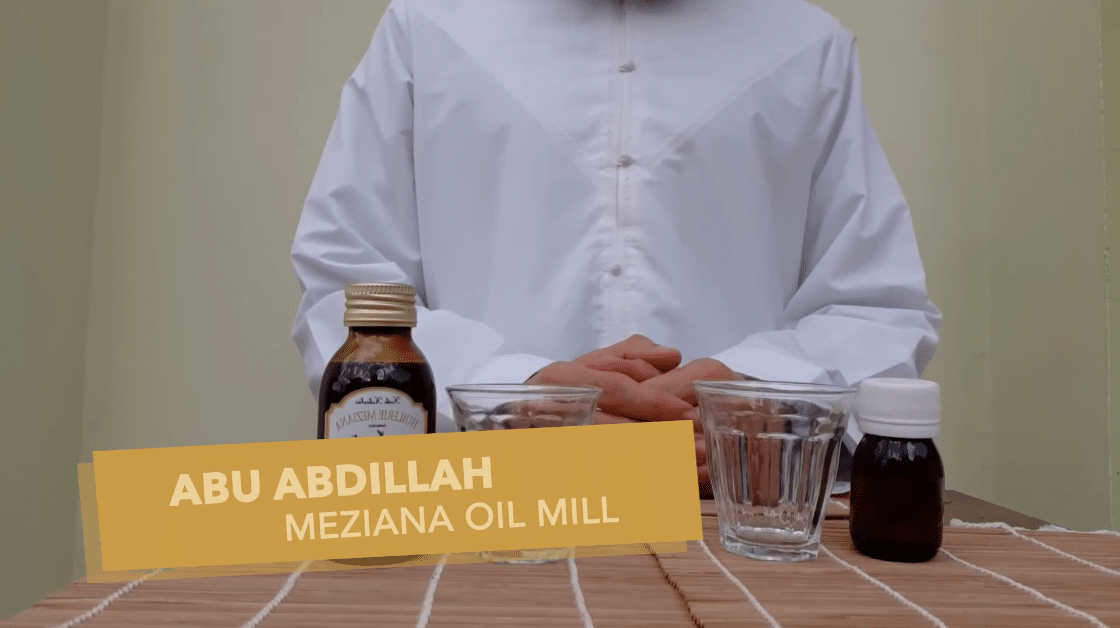
Here are the 11 criteria for a good black seed oil :
- 100% pure
- Freshly pressed with a recent pressing date
- Unfiltered
- Cold-pressed
- Quality seeds
- Mechanically pressed
- Electric motor press
- Controlled humidity in the oil mill
- Glass bottle
- UV-protective bottle
- Traceability
Using black seed oil as prevention
Black seed oil can be used preventively, as reported for example in a medical study entitled “Spices for the prevention and treatment of cancers” conducted in China by Sun Yat-Sen University and the University of Hong Kong [16].
If you are not ill — may Allah protect you — but wish to use black seed oil preventively, you can consume 2.5 ml morning and evening for adults (i.e. 5ml per day), as this is generally the maximum dose used in clinical studies. Note that 2.5 ml is approximately equivalent to half a teaspoon.
Using black seed for different illnesses
Contraindications and warnings
1 – If you are ill — may Allah heal you — please follow the precautions and contraindications indicated for each illness in the guide.
2 – In all cases, please consult a doctor who will be able to give you the correct diagnosis, in sha’Allah, and will know how to incorporate black seed oil or powder into your treatment.
3 – You will find references to clinical studies for each illness in the guide, which you can forward to your doctor.
4 – If you are on medication, never modify or stop your treatment without medical advice.
5 – Using a natural treatment does not mean forgoing other treatments. Studies have shown that black seed is sometimes effective as a standalone treatment or sometimes as a complement to drug treatment — meaning patients obtained better results when using black seed alongside their medication than when using medication alone.
6 – Black seed oil during pregnancy: Black seed oil is not recommended for pregnant women.
7 – Before any application to the skin, black seed oil must be tested on a small area of skin to check for any negative reactions. To do this, apply a little black seed oil behind your ear and wait 48 hours. If no negative reaction is observed, such as redness, you can apply black seed oil to the rest of your body.
8 – For babies and children, please refer to the relevant section below.
Should I see a doctor ?
Using prophetic medicine does not conflict with seeing a doctor.
The Prophet (peace and blessings be upon him) visited a sick person and said:
« Will you not call a doctor for him?
– They said: O Messenger of Allah! Are you ordering us to do that ?
– The Prophet (peace and blessings be upon him) said: Indeed, Allah has not sent down a disease without sending down a cure for it. ».
(Narrated by Ibn Al-Hamami and authenticated by Sheikh Albani in Al-Silsila Al-Sahiha no. 2873.). Hadith translated from Hadith du jour french text.
Islam does not prohibit recourse to modern medicine — on the contrary.
The role of the doctor must not be undervalued. He plays an essential role as he is the one able to make a diagnosis through medical consultation or more in-depth examinations, determine the most appropriate treatment, and monitor the progression of the illness.
It is true, however, that modern medicine makes very little use of natural remedies and a doctor will tend to turn to pharmaceutical medications.
We advise those who wish to use black seed in oil or powder form to treat themselves to discuss it with their doctor to see how to incorporate it into their treatment. The doctor may choose to allow the patient to use it as a replacement or complement to the treatment prescribed.
It is also quite likely that your doctor has never heard of black seed. In that case, we advise you to print the medical study relating to your illness (you will find a link to the original university study for each illness in this guide) and forward it to your doctor. He can then, in consultation with you, make the most appropriate decision. In any case, communication between doctor and patient is essential.
The absence of communication sometimes leads patients to completely reject the treatment prescribed by the doctor, which can have tragic consequences.
There must therefore be communication between doctor and patient, and this includes showing the doctor the medical studies on black seed if he is unfamiliar with this natural product.
This is also why modern medicine and prophetic medicine should not be systematically opposed, since medical studies always end up confirming the words of the Prophet Muhammad (peace and blessings be upon him), as you will see throughout this guide, in sha’Allah.
Using black seed alone or as a complement to another treatment ?
We always advise consulting your doctor if you wish to stop or modify a treatment to replace it with a natural remedy such as black seed.
Sometimes black seed taken alone gives better results than other treatments for a given illness.
Sometimes black seed taken alone can give less good results than another product (natural or pharmaceutical), as is the case for example in one study [36] that compared the effectiveness of several wound-healing treatments, in which the best treatment was the combination of honey and black seed oil, followed in order of effectiveness by phenytoin cream, honey alone, and then black seed oil alone. Black seed oil alone came last, but the combination of black seed oil and honey outperformed all other treatments.
Sometimes it has also been shown that patients following a medical treatment who additionally took black seed oil obtained better results than patients taking only the medical treatment, as is the case for example in one study [37] conducted on insulin-resistant patients, in which the group given black seed oil + Atorvastatin + Metformin obtained better results regarding total cholesterol, low-density lipoprotein cholesterol, and fasting blood sugar than the group taking only Atorvastatin + Metformin.
In other cases, black seed has demonstrated its effectiveness through its active compound called thymoquinone. Many studies are conducted not by administering black seed oil or powder but by using extracts of this active compound directly. In this regard, there are more than 1,097 medical studies related to thymoquinone [38].
From what age and what dosage for babies and children
The dosages indicated below concern adults unless it is clearly stated that the medical study was conducted on children.
From what age can black seed oil, powder or seeds be consumed? This is difficult to say, but to our knowledge there are no medical studies on babies younger than 13 months.
For babies from 13 months and children up to 13 years, a reduced dosage of 0.04 ml per kilo every 8 hours maximum should be used, as reported in a clinical study [13] conducted by the Department of Paediatrics and Paediatric Neurology of Mashhad University of Medical Sciences in Iran.
This means that for a child weighing 10 kilos the dosage will be 0.4 ml — a very small quantity that can be measured using a syringe purchased from a pharmacy.
Note however that regardless of the child’s weight, the dosage must not exceed the adult dosage of 2.5 ml twice daily, nor exceed the illness-specific dosage where that dosage is below 2.5 ml.
Breastfeeding and black seed oil
Black seed can be used during breastfeeding in any form: oil, powder or raw seeds.
A study conducted by Sabzevar University of Medical Sciences in Iran [29] classifies black seed as a plant with galactogenic effects (i.e. one that promotes milk production)..

Asthma
Illness: Asthma
Dosage: Drink 0.56 ml twice daily
Results after 4 weeks of use:
–Significant improvement in the mean score on the asthma
control test
–Significant reduction in blood eosinophils
–Improvement in forced expiratory volume in 1 second
Source: Study conducted by university researchers from London and Jeddah on 80 asthmatic
patients. Here is the original study:
https://pubmed.ncbi.nlm.nih.gov/28093815/
Warning: Asthma is a disease that can be dangerous and life-threatening. The above study highlighted the benefit of black seed oil in the long-term management of asthma; the study does not address the relief of asthma attacks.
In the event of an attack, please take the medication prescribed by your doctor for asthma attacks. If symptoms persist, please go to the nearest emergency department.
If your symptoms improve with daily black seed oil intake and you wish to begin reducing your usual maintenance treatment, please only do so after consulting your doctor, who knows you best and is therefore best placed to judge when and how the treatment should be reduced. In general, never modify or stop your usual treatment without consulting your doctor.
Type 2 Diabetes
Illness: Type 2 Diabetes
Dosage: 3.3 ml of black seed oil once daily
Results observed in the study after 12 weeks of black seed oil use: Non-significant decrease in body mass index (BMI), insulin levels and insulin resistance, as well as a non-significant increase in HDL cholesterol (good cholesterol) compared to baseline values. Significant decrease in fasting blood sugar (FBS), triglycerides (TG), LDL cholesterol (bad cholesterol) and glycated haemoglobin (HbA1c) compared to the placebo group.
Source: Study conducted by university researchers from Canada and Iran on 72 patients with type 2 diabetes (men and women aged 30 to 60). Summary of the study with a link to the original English version at:
https://pmc.ncbi.nlm.nih.gov/articles/PMC5633670/
Warning: If you are on medical treatment, never modify or stop your usual treatment without consulting your doctor. You can show your doctor this study to discuss how to incorporate black seed oil into your treatment — as a supplement, as a replacement, at what pace, with what monitoring following this change in treatment, etc.
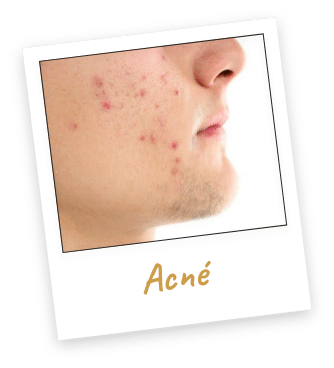
Acne
Illness: Acne
Formulation: 20% pure black seed oil. To dilute the black seed oil without using alcohol as in the medical study, it is possible to mix the black seed oil with solubol. For a 100 ml preparation, use 20 ml of black seed oil and 80 ml of solubol. It is also possible to use pure black seed oil (see Warning).
Dosage: Wash the face with a mild non-medicated cleanser and wait 15 minutes until dry, then apply the lotion to the entire face twice daily, morning and evening. No other medicated lotion, cream, powder or solution should be used in the treatment area.
Results observed in the study after 8 weeks: 97% of patients using black seed oil lotion showed good to excellent improvement (more than 50% reduction in total lesion count), compared to only 50% of patients using benzoyl peroxide lotion (the traditional pharmaceutical acne treatment). Patients using 20% black seed oil lotion experienced milder and fewer side effects than those receiving 5% benzoyl peroxide lotion. Both groups (black seed and benzoyl peroxide) showed a statistically significant increase in the number of lesions 8 weeks after the end of treatment. It is therefore possible to use the treatment on a permanent basis to prevent acne from returning.
Warning: Although black seed oil is a product with very few adverse effects, rare cases of skin intolerance have been reported. People prone to allergies should therefore start by applying a small amount of black seed oil to a limited area of skin to test their tolerance.
Source: Study conducted by researchers from the University of Medicine of Baghdad on 62patients with acne. Summary with link to original English version at:
https://www.researchgate.net/publication/236032875_Nigella_Sativa_Oil_Lotion_20_vs_Benzoyl_Peroxide_Lotion_5_in_the_Treatment_of_Mild_to_Moderate_Acne_Vulgaris
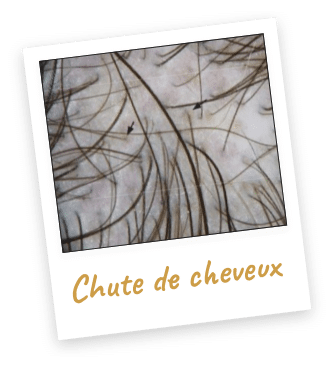
Hair Loss
Illness: Hair loss (not genetic in origin, but which may be caused by stress, trauma or following pregnancy for example)
Formulation used in the study: 0.5% black seed essential oil, 3% glycerin, 0.4% lavender essential oil and 60% alcohol per 100 ml. To avoid using alcohol, it is possible to dilute the oils with solubol.
Dosage: 2 ml of formulation per day applied to the scalp for 3 months.
Results observed in the study after 3 months: Results showed significant improvement in 70% of patients treated with black seed. Videodermatoscopic analysis showed a significant increase in hair density and thickness in patients treated with black seed. Black seed was also able to reduce inflammation observed in the majority of patients.
Source: Study conducted in 2013 by Sapienza University in Rome, Italy on 20 patients. Summary with link to original English version at:
https://file.scirp.org/pdf/JCDSA_2013081513583870.pdf
Wound and Injury Healing
Illness: Injury, wound. Treatment for healing.
Formulation used in the study: 50% cold-pressed black seed oil + 50% honey.
Dosage: Apply the mixture to the wound daily.
Results observed in the study after 20 days: The study compared 4 solutions to aid wound healing: honey, black seed oil, phenytoin cream, honey + black seed oil mixture (1:1 ratio).
The honey + black seed oil mixture gave better results than the other treatments. After 20 days of treatment, wounds treated with honey and black seed oil were significantly smaller than wounds treated with the other solutions.
Source: Study conducted by Hamadan University of Medicine in Iran in 2018 on 50 rats. Summary with link to original English version at:
https://pmc.ncbi.nlm.nih.gov/articles/PMC5735686/
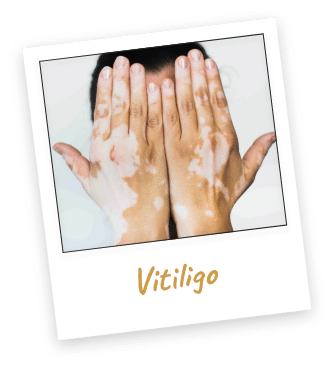
Vitiligo
Illness: Vitiligo is a skin disease characterised by depigmentation in the form of patches of varying sizes located in different areas of the body.
Dosage: Apply pure black seed oil to the patches twice daily for 6 months.
Results observed in the study after 6 months of treatment: “After six months, the mean Vitiligo Area Scoring Index score decreased from 4.98 to 3.75 in patients who applied black seed oil topically and from 4.98 to 4.62 in those using fish oil topically. Most improvement percentages were observed in the upper extremities, trunk, head and neck of those who received black seed oil and the head, neck, trunk and feet of those who received fish oil. No adverse effects were reported by patients.” “Conclusion: Black seed oil and fish oil were both effective in reducing the size of patient lesions; however, black seed oil was more effective than fish oil. Therefore, the use of black seed alongside main medications in the treatment of vitiligo is recommended.”
Source: Study conducted in 2011 by Tehran University of Medical Sciences on 52 patients with vitiligo [3]. Another study published in 2019 conducted on 33 patients by the Faculty of Medicine of Malatya in Turkey as well as two hospitals and a laboratory reached similar conclusions over a 6-month treatment period [4].
Warning: Some people may have allergic skin reactions; it is therefore advisable to start by applying black seed oil to a small area of skin to test your tolerance [5].
Allergy (Allergic Rhinitis)
Illness: Allergy to pollen, dust mites, animal hair, etc. Allergic rhinitis is characterised by a blocked nose, sneezing, red and watery eyes, and an itchy throat. Exposure to the allergens to
which the patient is sensitive produces inflammation of the nasal mucosa.
Dosage: 1 drop in each nostril 3 times daily for 6 weeks.
Results observed in the study after 6 weeks of treatment: The study was conducted on 68 patients with allergic rhinitis, of whom 19 had mild symptoms, 28 had moderate symptoms
and 21 had severe symptoms. After 6 weeks of treatment, the results for the different symptom levels were as follows:
– Mild symptoms: 100% of patients showed no symptoms.
– Moderate symptoms: 68.7% showed no symptoms and 25% saw their symptoms improve without disappearing completely.
– Severe symptoms: 58.3% showed no symptoms and 25% saw their symptoms improve without disappearing completely.
Overall, 92.1% of patients treated with black seed oil for their allergy saw their symptoms disappear or improve. In comparison, only 30% of patients in the placebo group had similar results. Indeed, as is very often the case in clinical studies, the group of patients treated with black seed oil was compared with a placebo group that received ordinary cooking oil instead of black seed oil.
Source: Study conducted in 2014 by Tikrit Medical University in Iraq [6] on 68 patients with allergic rhinitis.
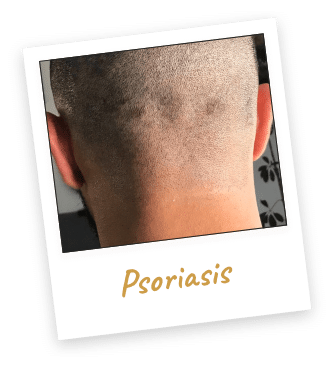
Psoriasis
Illness: Psoriasis. Psoriasis is a skin disease characterised by plaques that can cause itching and pain. It is an autoimmune disease.
Dosage: 1 – Apply a cream containing 10% black seed oil twice daily (morning and evening) for 12 weeks. The cream can be made by mixing 10 grams of black seed oil with 90 grams of petroleum jelly. Heat the mixture to 40°C for 15 minutes. 2 – In addition to the topical application, consume 500 mg of black seed powder 3 times daily for 12 weeks.
Note: If you do not wish to use petroleum jelly in your preparation but prefer something less chemical and more natural, you can try using a natural cream base or waxelene for example, which is a natural alternative to petroleum jelly. However, please note that the medical study on psoriasis was conducted using petroleum jelly. The results may therefore not be the same with waxelene or another base.
Results observed in the study after 12 weeks of treatment: The combination of topical treatment with 10% black seed oil cream and oral treatment of 500 mg black seed powder 3 times daily “resulted in complete healing of lesions, achieving excellent and good responses in 85% of patients, with a relapse rate of 18%”, according to the medical study. No side effects were observed.
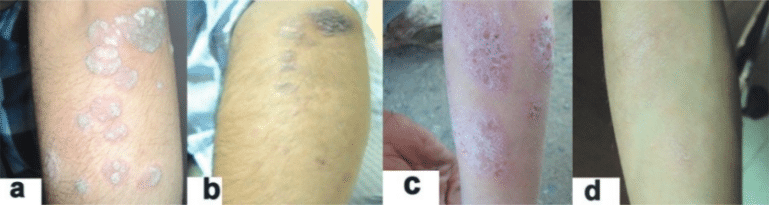
Photographic observation of representative patients with psoriatic lesions of the left arm treated for 12 weeks with the combination (ointment and capsule of raw powdered Nigella sativa): (a) before treatment, (b) after treatment. Photographs (c) and (d) concern a representative patient with a psoriatic lesion of the leg treated with Nigella sativa ointment for 12 weeks: (c) before treatment, (d) after treatment.
Source: Study published in 2014 by the University of Basrah in Iraq [7] on 60 patients with mild to moderate psoriatic plaques.

Improving Memory
Objective: Improve memory, attention and cognition.
Dosage: Consume 500 mg of black seed powder twice daily for 9 weeks.
Study procedure: 40 volunteers were divided into two groups. Group A received capsules of 500 mg of black seed powder twice daily. Group B received a placebo. All volunteers underwent neuropsychological tests: logical memory test, digit span test, Rey-Osterrieth complex figure test, letter cancellation test, trail making test and Stroop test.
Results observed in the study after 9 weeks: Volunteers who completed the black seed powder course obtained better results in the various tests compared to those who received the placebo. The difference in results was significant (p<0.05) for the logical memory test I and II score, the total digit span test score, the percentage score in the Rey-Osterrieth complex figure test, and the score in part C of the Stroop test. Similarly, people who consumed black seed powder took less time to complete the letter cancellation test and tests A and B of the trail making test.
Conclusion: This study demonstrates the role of black seed in improving memory, attention and cognition.
Source: Study published in 2013 by the Department of Clinical Pharmacy and Pharmacology of the University of Dhaka in Bangladesh [8].

Male Infertility
Illness: Infertile man with abnormal sperm parameters.
Dosage: Drink 2.5 ml of black seed oil twice daily for 2 months.
Results observed after 2 months of natural treatment with black seed oil: In a study of 68 infertile men with abnormal sperm parameters, a 2-month course of black seed oil (2.5 ml twice daily) improved sperm count (60.2 × 10⁶ vs 42.9 × 10⁶ ml⁻¹, P = 0.01), motility (69.7% vs 61.7%, P = 0.02), morphology (49.1% vs 37.2%, P < 0.01) and semen volume (4.2 vs 3.1 ml, P < 0.01) compared to placebo.
Source: Study published in 2016 by the Department of Urology, UCLA, 1260 15th St #1200, Santa Monica, CA 90404, USA [9].

Arthritis (Rheumatoid Arthritis)
Illness: Rheumatoid arthritis is a disabling autoimmune disease characterised by significant pain, progressive joint damage and functional impairment. Rheumatoid arthritis is a disease of unknown cause with a prevalence of 0.5 to 1% in adults worldwide. This inflammatory disease continues to cause significant premature mortality and morbidity.
The causes of rheumatoid arthritis are unknown, but scientists believe that immunological and nutritional factors, oxidative stress, hormonal agents, genetics and infectious diseases all contribute to the onset of the disease.
Dosage: Drink 500 mg (i.e. 0.56 ml) of black seed oil twice daily.
Study procedure:
Forty-two patients with rheumatoid arthritis were divided into two groups in this randomised, double-blind, placebo-controlled clinical trial. Subjects in the intervention group received two 500 mg capsules of black seed oil each day for 8 weeks. The other group consumed two placebo capsules per day for the same period. Serum levels of TNF-α and IL- 10, as well as blood oxidative stress levels, were measured at the beginning and end of the trial.
Results observed after 2 months:
Serum IL-10 levels increased in the black seed group (p<0.01). Furthermore, black seed treatment led to a significant reduction in serum malondialdehyde and nitric oxide compared to baseline (p<0.05). There were no significant differences in TNF-α, superoxide dismutase, catalase and TAS values between or within groups, before and after the intervention (p>0.05). This study indicates that black seed may improve inflammation and reduce oxidative stress in patients with rheumatoid arthritis. It is suggested that black seed could be a beneficial adjunct treatment in this patient population.
Source:
Study published in 2016 by Tabriz University of Medical Sciences in Iran [10].
Mild High Blood Pressure
Illness:
Mild high blood pressure. High blood pressure is a chronic disease characterised by abnormally elevated blood pressure, higher than normal.
Dosage: Drink 2.5 ml of black seed oil twice daily.
Results observed in the study after 8 weeks of treatment: After 8 weeks of treatment, a decrease in systolic and diastolic blood pressure was observed with no adverse effects.
Source and study details:
A study was conducted to explore the effects of Nigella sativa oil on blood pressure in healthy volunteers. In a randomised double-blind study, 70 healthy volunteers aged 34 to 63 years with systolic blood pressure of 110 to 140 mmHg and diastolic blood pressure of 60 to 90 mmHg were randomly assigned to receive 2.5 ml of Nigella sativa oil or placebo twice daily for 8 weeks. Systolic and diastolic blood pressures, body mass index, and blood concentrations of aspartate transaminase, alanine transaminase, alkaline phosphatase, creatinine and blood urea nitrogen were determined at the beginning and end of the study.
Results showed that in the group treated with Nigella sativa oil, systolic and diastolic blood pressures decreased significantly compared to baseline values and the placebo group at the end of treatment. Other parameters did not change significantly in either group. No adverse effects were reported. Study conducted in 2013 by the Department of Pharmacology and Applied Medicine of the Medicinal Plants Research Centre, Institute of Medicinal Plants, ACECR, Karaj, Iran [11]. A second study obtained similar results in patients with mild hypertension [12].
Warning:
The studies cited above address mild hypertension only. If you are on treatment, never modify or stop your treatment without medical advice. You can provide the study references to your doctor so he can discuss with you how to use black seed oil as a complement to or replacement for your current treatment.

Childhood Epilepsy
Illness: Childhood epilepsy. Despite the availability and use of many antiepileptic drugs, nearly 15% of childhood epilepsy cases are resistant to treatment.
Dosage: Drink 40 mg of black seed oil* per kilo every 8 hours as a complement to usual treatment. 40 mg is approximately equal to 0.044 ml. For example, for a child weighing 10 kilos, the dosage will be 400 mg, i.e. 0.44 ml.
Results observed in the study: The mean seizure frequency decreased significantly during treatment (p<0.05).
Source and study details:
A clinical study [13] was conducted by the Department of Paediatrics and Paediatric Neurology of Mashhad University of Medical Sciences in Iran. In this double-blind crossover clinical trial conducted on children with refractory epilepsy, aqueous black seed extract* was administered as an adjunct treatment and the effects were compared with those of a placebo. Twenty-three children were enrolled in the study and 20 remained (13 months to 13 years, 10 boys and 10 girls). All patients received constant treatment for at least one month prior to the study. They received an extract (40 mg/kg/8h) or a placebo for four weeks and, between these periods, for two weeks they received only their pre-existing antiepileptic drugs. The mean seizure frequency decreased significantly during extract treatment (p<0.05). It can be concluded that aqueous black seed extract* has antiepileptic effects in children with refractory seizures [13].
Another study also highlighted the antiepileptic character of thymoquinone (one of the active compounds in black seed oil) [14].
Warning:
The above study used black seed oil as a complement to the usual epilepsy treatment and not as a replacement. Never modify or stop your treatment, or that of your child, without medical advice. Epilepsy is a dangerous disease; any modification to the usual treatment can be very risky.
*Black seed oil / aqueous black seed extract: In the above study, “black seed oil” is not used but rather “aqueous black seed extract”. The doctors in the study chose to proceed by solvent extraction, unlike the black seed oil we recommend which is extracted by pressing and without any chemical products.
Cancer
Medical studies: There are more than 168 medical studies [15] on the effectiveness of black seed and its active compound thymoquinone in the prevention and treatment of cancers. There are general studies, among which one can cite the study “Spices for the prevention and treatment of cancers” conducted in China by Sun Yat-Sen University and the University of Hong Kong [16]. This study compiles and analyses a large number of studies on different types of cancer: lung, hepatobiliary, breast, pancreas, haematopoietic tumour, colorectal cancer, oral cancer, head and neck squamous cell carcinomas, glioblastoma, melanoma, T-cell lymphomas, osteosarcoma, etc.
There are also more specific studies, such as a study from the University of Virginia in the United States [18] on the treatment of breast cancer with thymoquinone (the most present active compound in black seed) and Tamoxifen(a drug “used as a single agent in the treatment of ER-α-positive breast cancer”). Other studies also deserve mention, such as the one from Ain Shams University, Abbassia, Cairo, Egypt, which examines the protective effect of honey and black seed against cancer [19].
Study results:
The various studies demonstrated that black seed:
– has a protective effect against oxidative stress, inflammatory response and carcinogenesis (the process by which a cell is transformed into a cancer cell) [19].
– plays a role in protecting against the side effects induced by certain drugs used in chemotherapy, such as cisplatin. which “is a potent anticancer drug widely used against solid tumours. However, it has pronounced adverse effects, including hepatotoxicity.” A study conducted by Aligarh Muslim University in India [22] concluded that “Nigella sativa oil appears to protect against cisplatin-induced hepatotoxicity by improving energy metabolism and reinforcing the antioxidant defence mechanism.”
– has anticancer activity through numerous mechanisms [20], notably through the mechanism of apoptosis, which is the process of programmed cell death that can destroy cancer cells. A complete review exists on the subject [21].
The study from Sun Yat-Sen University [16] begins by stating that “Thymoquinone is the predominant bioactive constituent isolated from black Nigella sativa seeds and possesses antineoplastic activity against multiple tumours.” The website of Rouen University Hospital (CHU de Rouen) explains that the word antineoplastic refers to “substances that inhibit or prevent the development of cancers” [23].”
The study then describes, for different cancer types, the mechanisms involved by black seed and its active compound thymoquinone. These technical descriptions may be difficult to understand for non-specialists:
Lung cancer:
“It has been demonstrated that Nigella sativa seed extract and seed oil considerably reduced cell viability and altered cell morphology of human lung cancer cells in a concentration-dependent manner. Furthermore, thymoquinone played a role in inhibiting the proliferation, migration and invasion of A549 lung cancer cells, and the expression of proliferating cell nuclear antigen, cyclin D1, MMP-2 and MMP-9 was inhibited by thymoquinone via the ERK-1/2 pathway. Moreover, in a mouse xenograft model, a combination of thymoquinone and cisplatin was well tolerated and remarkably reduced tumour volume and weight without inducing additional toxicity in mice.”
Hepatobiliary cancer:
“Thymoquinone has potent antiproliferative activity by regulating the G1/S cell cycle transition and plays a beneficial role in the treatment of hepatocellular carcinogenesis of A549 lung cancer cells, and the expression of proliferating cell nuclear antigen, cyclin D1, MMP-2 and MMP-9 was inhibited by thymoquinone via the ERK-1/2 pathway. Furthermore, thymoquinone inhibited the growth of human cholangiocarcinoma cell lines, induced cell cycle arrest and promoted apoptosis.”
Breast cancer:
“The antiproliferative and pro-apoptotic effects of thymoquinone were associated with the induction of p38 phosphorylation through ROS production and inhibition of Akt kinases. Furthermore, combined with tamoxifen, thymoquinone resulted in a substantial increase in apoptosis and marked inhibition of cell growth in breast cancer, resulting in the regulation of multiple cell-signalling targets, including the inactivation of Akt and the degradation of XIAP, an endogenous inhibitor of apoptosis, through the inactivation of key caspases. Furthermore, the growth-inhibitory effects of thymoquinone on triple-negative breast cancer cell lines with mutant p53 resulted in reduced Akt phosphorylation and decreased XIAP expression. Cisplatin- and docetaxel-induced cytotoxicity was also increased by thymoquinone. In addition, the protein expression of anti-apoptotic genes such as XIAP, survivin, Bcl-xL and Bcl-2 was inhibited by thymoquinone in breast cancer cells and in breast tumour xenografts.”
Pancreatic cancer:
“Apoptosis of pancreatic cancer cells was increased and tumour growth was synergistically inhibited by thymoquinone combined with gemcitabine both in vitro and in vivo, through the modulation of multiple molecular signalling targets, such as suppression of Notch1 and the Notch intracellular domain (NICD), upregulation of PTEN (phosphatase and tensin homolog deleted on chromosome 10), and inactivation of the Akt/mTOR (mammalian target of rapamycin)/S6 signalling pathways. The combination treatment downregulated anti-apoptotic factors including Bcl-2, Bcl-xL and XIAP, upregulated pro-apoptotic molecules including caspase-3, caspase-9 and Bax, and increased the release of cytochrome c. Thymoquinone pre-treatment followed by gemcitabine treatment resulted in a synergistic increase in pancreatic cancer cell apoptosis and inhibition of tumour growth, both in pancreatic cancer cells in vitro and in the orthotopic xenograft of PANC-1 cells in vivo.”
Haematopoietic tumour:
“Apoptosis was induced by thymoquinone resulting from mitochondrial dysfunction in an acute lymphocytic leukaemia cell line. Bcl-2 was downregulated and Bax was upregulated, accompanied by thymoquinone-induced apoptosis and cell-death transduction signals. Furthermore, thymoquinone increased early apoptosis, decreased the anti-apoptotic protein Bcl-2 and increased the apoptotic protein Bax, showing high toxicity against murine (lymphatic) leukaemia cells.”
Colorectal cancer:
“Thymoquinone pre-treatment and post-treatment could reverse 1,2- dimethylhydrazine-induced oxidative stress and lead to histological changes and tumour development. In another study, tumour growth in ApcMin mice (Min, multiple intestinal neoplasia) was disrupted by thymoquinone by inducing tumour-cell-specific apoptosis and modulating Wnt signalling through activation of glycogen synthase kinase (GSK)-3β, indicating the potential of Nigella sativa oil (or thymoquinone) as a nutritional supplement in familial adenomatous polyposis. Moreover, thymoquinone blocked STAT3 signalling through inhibition of Janus kinase (JAK) 2- and Src-mediated phosphorylation of the EGFR tyrosine kinase, thereby inducing apoptosis in human colon cancer cells. Furthermore, thymoquinone caused caspase-independent autophagic cell death through mitochondrial outer-membrane permeability and activation of c-Jun N-terminal kinase (JNK) and p38 in irinotecan-resistant LoVo colon cancer cells. In addition, in a xenograft model of HCT116 colon cancer cells, thymoquinone significantly inhibited tumour cell growth.”
Other cancers:
“The antitumour activity of thymoquinone in oral cancer could be attributed to the downregulation of p38β MAPK. Furthermore, in head and neck squamous cell carcinoma, thymoquinone induced apoptosis involving increased Bax expression and caspase-9 activation, and induced autophagy dependent on increasing levels of autophagic vacuoles and LC3-II proteins, the specific markers of autophagy. Moreover, apoptosis was markedly induced by thymoquinone in two human cervical cell lines, Siha and C33A. Thymoquinone-induced apoptosis in Siha cells occurred via the p53-dependent pathway, while apoptosis in C33A cells was associated with caspase-3 activation. Furthermore, thymoquinone has also played a role in the treatment of glioblastoma, melanoma, anaplastic large cell T-cell lymphomas and osteosarcoma.”
Why is there no specific dosage for humans? The studies dealing with black seed and thymoquinone in the treatment of different cancers were conducted in two ways: either in vitro (in a laboratory directly on human cancer cells but outside a living organism) or in vivo (on a living organism, but to our knowledge none of the in vivo studies were conducted directly on humans, but always on animals). As no study has ever been conducted directly on humans, while current research highlights the effectiveness of black seed on various cancers, there is no specific dosage for humans in the absence of such studies.
Regarding animals, a review on the subject lists the studies carried out [21], showing that different protocols were used:
– Injection of black seed essential oil into the tumour site. One study reported that “in the DBA2/P815 (H2d) mouse model, significant inhibition of solid tumour development was found when Nigella sativa essential oil was injected into the tumour site. When 30 μL (28.5 mg)/mouse and 50 μL (47.5 mg)/mouse of the essential oil were injected into the tumour every 48 hours, six times, the animals’ tumour volumes (2.5 ± 0.6 cm³) were reduced to 0.22 ± 0.1 and 0.16 ± 0.1 cm³, respectively. In addition, the incidence of liver metastases was suppressed by administration of the essential oil into the tumour site, and mouse survival was increased [24].”
– Oral administration of black seed oil. One study “reported that post-initiation administration of 1,000 or 4,000 ppm of Nigella sativa volatile oil in the food of male rats for 30 weeks remarkably reduced the incidence and size of benign and malignant colon tumours, particularly those of the lungs, murine colon, oesophagus and forestomach” [25].
– Administration of thymoquinone (the main constituent of black seed). “One study showed that administration of thymoquinone (10 mg/kg/i.p.) for 18 days inhibited lung cancer (LNM35) tumour growth by 39% (P < 0.05); this was associated with a remarkable increase in caspase-3 expression [26].”
– Administration of thymoquinone in combination with an anticancer drug. One study, for example, highlights the results obtained by combining thymoquinone (TQ) with the anticancer drug Fluorouracil (5-FU): the study “reports that in the xenograft tumour mouse model for the treatment of gastric cancer, the TQ/5-FU combination induced apoptosis via caspase-3 and -9 activations [27].” Remember that apoptosis is the process of programmed cell death that can destroy cancer cells.
Another study states that “a combination of thymoquinone and cisplatin in the treatment of lung cancer in a mouse xenograft model showed that thymoquinone was able to inhibit cell proliferation (nearly 90%), reduce cell viability, induce apoptosis and reduce tumour volume and weight. Consequently, thymoquinone can regulate NF-κB expression and act with synergistic activity with cisplatin. Therefore, thymoquinone appears to have active therapeutic potential for the treatment of cancer patients [28].”
Medical studies:
Medical studies have long proven the antiviral properties of black seed oil (Nigella sativa). All these studies are available in the international PubMed database, which compiles all medical studies from universities around the world.
One study conducted by 3 American universities [30] on the infectious bronchitis virus (IBV), a pathogenic coronavirus of chickens, states that “Nigella sativa extract has shown antimicrobial properties against Escherichia coli, Bacillus subtilis, and other bacteria [31]. Studies on murine cytomegalovirus infection [32] and hepatitis C [33] also confirm the antiviral potential of the plant in vivo. Furthermore, extracts of Nigella sativa compounds,
particularly its saponins, alkaloids and flavonols, show similarities with known antiviral chemicals [34].”
While this study did not obtain satisfactory results on this species of coronavirus, another study [35] conducted by 3 Turkish universities on a different species of coronavirus concluded that black seed extract demonstrated significant antiviral activity against that coronavirus.
Finally, while the above study was conducted in vitro (i.e. in a laboratory directly on cells), there are other studies on the antiviral character of black seed oil conducted in vivo (on living beings), such as the study conducted by Ain Shams University in Cairo, Egypt [33], which has the advantage of being conducted on human beings and being statistically highly significant (P = 0.001). The results of the study are clear-cut: “The administration of Nigella sativa significantly improved the hepatitis C viral load (380,808.7 ± 610,937 vs 147,028.2 ± 475,225.6, P = 0.001) and the total antioxidant capacity (1.35 ± 0.5 vs 1.612 ± 0.56, P = 0.001).
Is black seed oil effective in preventing/treating coronavirus COVID-19?
The Messenger of Allah (peace and blessings be upon him) said of black seed that it is “a cure for every disease except death” (Al-Bukhari 5688). The statement is general, and it is through medical studies that the dosage for each illness is often determined, as is already the case for a great many illnesses through more than 1,204 studies. Regarding COVID-19, at the time of writing there was no study allowing us to determine how to use black seed, in what form, at what dosage, alone or as a complement to other natural or pharmaceutical products.
Update:
There are now around ten studies on the subject (see the following section for dosage).
In any case, two things are certain:
1 – Black seed is a cure for every illness. 2 – Studies have demonstrated its antiviral character.
Covid-19
Illness: Prevention and treatment of Covid-19
Dosages: Consume black seed powder (80 mg per kilo per day) and honey (1 gram per kilo per day).
Results observed in the medical study: Of 313 patients, 210 moderate and 103 severe cases were randomised. Of these, 107 received black seed and honey while 103 received a placebo for moderate cases. For severe cases, 50 received black seed and honey and 53 a placebo. Black seed and honey resulted in a reduction in symptom duration of 3 days for moderate cases and 7 days for severe cases (relative risk [RR]: 6.11; 95% confidence interval [CI]: 4.23-8.84, P<0.0001 and RR: 4.04; 95% CI, 2.46-6.64, P<0.0001). The virus was also cleared 4 days earlier in moderate cases (HR: 5.53; 95% CI: 3.76-8.14, P<0.0001) and severe cases (HR: 4.32; 95% CI: 2.62-7.13, P<0.0001). Black seed and honey also led to a better clinical score at day 6 with normal activities in 63.6% of patients (moderate, OR: 0.07; 95% CI: 0.03- 0.13, P<0.0001) and 28% of patients (severe, OR: 0.03; 95% CI: 0.01-0.09, P<0.0001). A reduction in 30-day mortality in severe patients was demonstrated with honey and black seed
(4% vs 18.87%, OR: 0.18; 95% CI: 0.02-0.92, P=0.029). No adverse effects related to honey and black seed were observed.
Source: Study conducted by the Shaikh Zayed Medical Institute of Lahore on 313 patients with Covid-19 [41] [42].
At least 8 other studies conducted in different countries (USA, India, UAE, China, Malaysia, Saudi Arabia, etc.) are available at:
https://clinicaltrials.gov/study/NCT04401202
https://pmc.ncbi.nlm.nih.gov/articles/PMC7463602/
https://www.eurekaselect.com/article/110118
https://pmc.ncbi.nlm.nih.gov/articles/PMC7605643/
https://pmc.ncbi.nlm.nih.gov/articles/PMC7338708/
https://pmc.ncbi.nlm.nih.gov/articles/PMC7347483/
https://pmc.ncbi.nlm.nih.gov/articles/PMC7313527/
https://pmc.ncbi.nlm.nih.gov/articles/PMC7298883/
https://pmc.ncbi.nlm.nih.gov/articles/PMC7445151/
https://www.medrxiv.org/content/10.1101/2020.10.30.20217364v2
Hepatitis C
Illness: Hepatitis C is a liver disease caused by the hepatitis C virus (HCV).
Dosages: Drink a mixture of 500 mg (i.e. 0.56 ml) of black seed oil (Nigella sativa) + 500 mg (i.e. 0.56 ml) of ginger extract (Zingiber officinale rhizomes) twice daily for 1 month. There is another dosage that has also proven effective and is documented by a medical study but gives less good results than the previous one: drink 450 mg (i.e. 0.50 ml) of black seed oil three times daily for 3 months after meals.
Results observed in the studies: In the first study concerning the black seed oil + ginger extract mixture, after one month of treatment, a significant decrease (p < 0.001) in viral load was observed compared to the control group. After 1 month of treatment, 30% of treated cases showed an undetectable viral load. Patients were monitored weekly. In the second study
concerning black seed oil only, HCV viral load also decreased significantly (380808.7 ± 610937 vs 147028.2 ± 475225.6, P = 0.001). Similarly, total antioxidant capacity was significantly improved (1.35 ± 0.5 vs 1.612 ± 0.56, P = 0.001).
Source:
The first study was conducted by Beni-Suef University in Egypt [39]. 60 volunteer patients with hepatitis C and 15 healthy individuals were included. The 75 people were divided into 5 groups of 15. The second study was conducted by Ain Shams University in Egypt [40]. Certain criteria excluded potential candidates from the study: hepatitis B virus infection, advanced cirrhosis, other serious illnesses, etc. The five groups were as follows: a first group of healthy subjects; a second group with hepatitis C receiving no treatment, serving as the control group; a third group treated with 500 mg (i.e. 0.56 ml) of black seed oil twice daily; a fourth group treated with 500 mg (i.e. 0.56 ml) of ginger extract (Zingiber officinale rhizomes) twice daily; and a fifth group receiving 500 mg of black seed oil plus 500 mg of ginger extract twice daily.
Warning:
Hepatitis C is a serious disease for which self-medication is not appropriate. If you are on treatment, never modify or stop it without your doctor’s agreement. If you wish to treat yourself with the dosage from one of these studies — may Allah heal you — speak to your doctor, who will be able to set up appropriate monitoring and adapt the protocol to your particular case if necessary.
Hashimoto’s Thyroiditis
Illness: Hashimoto’s thyroiditis is the most common cause of hypothyroidism. It is a very common autoimmune disease affecting 2% of the population.
Dosages: 1 gram of black seed powder twice daily.
Study results: After 8 weeks of treatment, serum concentrations of thyroid-stimulating hormone (TSH) and anti-thyroid peroxidase antibodies (anti-TPO) decreased, while serum T3 concentrations increased (P < 0.05). A significant reduction in serum VEGF concentrations was also noted (P = 0.02), as well as a significant reduction in body weight, waist circumference, hip circumference and body mass index (P < 0.05).
Source:
This double-blind placebo-controlled study was conducted on 40 patients aged 20 to 50 with Hashimoto’s thyroiditis. 20 people received 1 gram of black seed powder twice daily and 20 others received a placebo. The changes (TSH, anti-TPO, T3, VEGF, etc.) were only observed in the group treated with 1 gram of black seed powder twice daily. None of these changes were observed in the placebo group. This study was conducted by Tabriz University
of Medical Sciences, Iran [41].
Warning:
If you are on treatment, never modify or stop it without medical advice. You can provide the study references to your doctor so he can discuss with you how to use black seed powder as a complement to or replacement for your current treatment, with appropriate monitoring.
Can’t find your illness?
You haven’t found the dosage for the illness you’re interested in. There may be several reasons for this:
1/ Your illness is a symptom. For example, if you are looking for how to use black seed oil for constipation, you won’t find a dosage because constipation is not an illness but a symptom that can have many different causes. Please return to your doctor so he can determine the cause of this symptom, in sha’Allah.
2/ Medical studies exist that have determined the dosage for your illness, however we have not yet added it to the guide. In that case, you can leave a comment at the bottom of the article to tell us which illness you would like added; we will make sure to add the dosages to the guide, in sha’Allah, provided one or more medical studies exist on the subject. It may take a little time before the illness is added (there are already quite a few pending), but you will receive an email to notify you as soon as it is done, in sha’Allah.
Go to the bottom of the page to leave your comment.
If you don’t have time to wait, you can consult the PubMed database, which brings together all medical publications from universities around the world, by typing “nigella sativa” followed by the name of your illness in the search engine: https://www.ncbi.nlm.nih.gov/pubmed/?term=nigella+sativa
3/ There are no medical studies on your illness and black seed. This does not mean that black seed will not be effective — on the contrary, the Messenger of Allah (peace and blessings be upon him) said: “In black seed there is a cure for every disease except death.” (Al-Bukhari no. 5688). We believe in this wholeheartedly and medical studies have highlighted the truth of these words. If no medical studies exist, it is not possible for us to determine the exact dosage; however, you can take a standard dosage of 2.5 ml (approximately half a teaspoon) twice daily as a complement to your usual treatment. Studies have shown that black seed is sometimes effective as a standalone treatment or as a complement to drug treatment.
Références des études
[1] https://www.ncbi.nlm.nih.gov/pubmed/?term=nigella+sativa
[2] https://www.ncbi.nlm.nih.gov/pubmed/?term=thymoquinone
[3] https://www.ncbi.nlm.nih.gov/pmc/articles/PMC4102993
[4] https://onlinelibrary.wiley.com/doi/abs/10.1111/dth.12949
[5] https://jamanetwork.com/journals/jamadermatology/article-abstract/2688582
[6] http://www.eurekaselect.com/112755/article
[7] http://citeseerx.ist.psu.edu/viewdoc/download?doi=10.1.1.833.8436&rep=rep1&type=pdf
[8] https://www.ncbi.nlm.nih.gov/pubmed/23707331/
[9] https://www.ncbi.nlm.nih.gov/pmc/articles/PMC4854092/
[10] https://www.ncbi.nlm.nih.gov/pmc/articles/PMC4884216/
[11] https://www.ncbi.nlm.nih.gov/pubmed/23436437
[12] https://www.ncbi.nlm.nih.gov/pubmed/18705755
[13] https://www.medscimonit.com/download/index/idArt/561526
[14] https://www.sciencedirect.com/science/article/pii/S0920121110003001
[15] https://www.ncbi.nlm.nih.gov/pmc/?term=(nigella+sativa)+AND+cancer%5BTitle%5D
[16] https://www.ncbi.nlm.nih.gov/pmc/articles/PMC4997408/
[17] https://www.ncbi.nlm.nih.gov/pmc/articles/PMC5633668/
[18] https://www.ncbi.nlm.nih.gov/pmc/articles/PMC3629226/
[19] https://www.ncbi.nlm.nih.gov/pubmed/12385575
[20] https://www.ncbi.nlm.nih.gov/pmc/articles/PMC4387232/figure/F5/?report=objectonly
[21] https://www.ncbi.nlm.nih.gov/pmc/articles/PMC5633668/
[22] https://www.ncbi.nlm.nih.gov/pubmed/28959553
[23] http://www.chu-rouen.fr/page/antineoplasiques
[24] https://www.ncbi.nlm.nih.gov/pubmed/17581684
[25] https://www.ncbi.nlm.nih.gov/pmc/articles/PMC3436209/
[26] https://www.ncbi.nlm.nih.gov/pubmed/22788741
[27] https://www.sciencedirect.com/science/article/pii/S0006291X11022728
[28] https://jeccr.biomedcentral.com/articles/10.1186/1756-9966-29-87
[29] https://www.ncbi.nlm.nih.gov/pubmed/28714737?dopt=Abstract
[30] https://www.ncbi.nlm.nih.gov/pmc/articles/PMC3899428/
[31] https://www.ncbi.nlm.nih.gov/pubmed/1795532
[32] https://www.ncbi.nlm.nih.gov/pubmed/10884593
[33] https://www.ncbi.nlm.nih.gov/pubmed/23674855
[34] https://link.springer.com/article/10.1007/s00044-007-9080-1 / https://www.ncbi.nlm.nih.gov/pubmed/22290690 / https://www.ncbi.nlm.nih.gov/pubmed/12722128
[35] https://www.ncbi.nlm.nih.gov/pmc/articles/PMC3933739/
[36] www.scielo.br/scielo.php?script=sci_arttext&pid=S0102-86502018000600518&lng=en&tlngn
[37] https://www.ncbi.nlm.nih.gov/pmc/articles/PMC2772004/
[38] https://www.ncbi.nlm.nih.gov/pubmed/?term=thymoquinone
[39] https://www.ncbi.nlm.nih.gov/pmc/articles/PMC4904745/
Leave a Reply